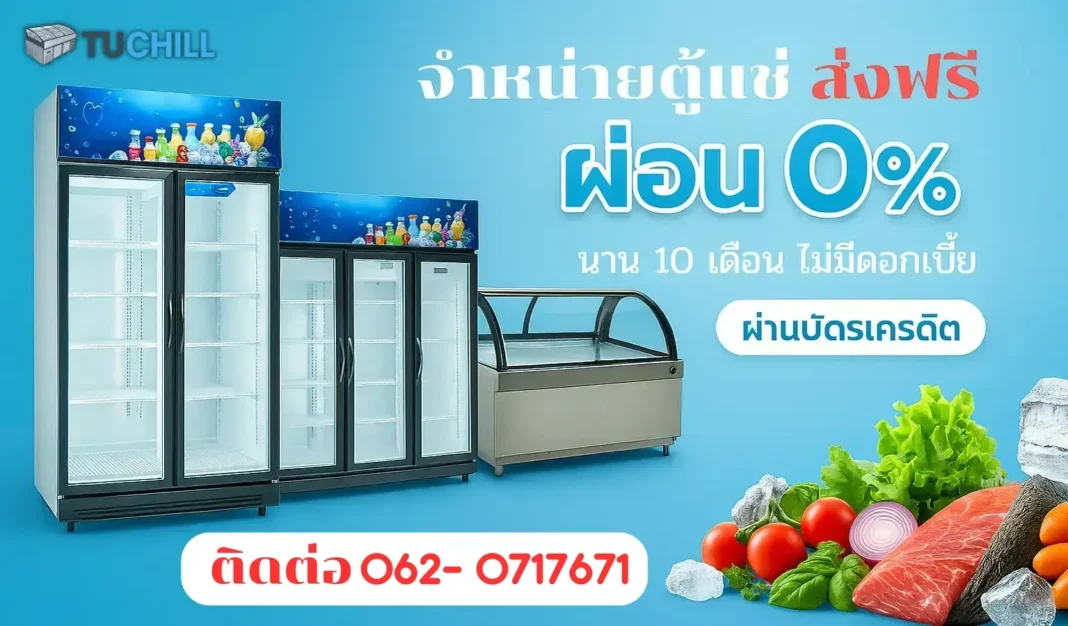

In the rapidly expanding economies of Southeast Asia and beyond, the food and beverage (F&B) sector remains one of the most resilient and profitable industries for entrepreneurs. From the rise of communal dining concepts to the explosion of convenience retail, the demand for fresh, high-quality inventory is at an all-time high. However, behind every successful restaurant or retail chain lies a complex logistical challenge: the cold chain.
For business owners, refrigeration is not just a storage necessity; it is a critical variable in the profitability equation. Managing energy costs, minimizing food waste, and ensuring equipment longevity are the three pillars of a sustainable F&B business model. To achieve this, strategic procurement of cooling assets is essential, especially when operating in high-ambient temperature environments.
The Rise of Buffet Concepts and Specialized Storage
One of the most significant trends in the Asian culinary scene is the mass-market buffet, particularly the “Moo Krata” or Thai-style BBQ concept. These businesses rely on high turnover and the display of vast quantities of fresh meats and seafood. From a business perspective, the storage requirements for this model are unique. The equipment must maintain a consistent, deep-chill temperature despite constant door openings in open-air or non-air-conditioned environments.
The market has responded by developing specialized units, often categorized by savvy operators as ตู้แช่หมูกะทะ Made in thailand. These units are engineered specifically for the high-fat, high-moisture environments of meat buffets. By investing in equipment designed for this specific niche, business owners can significantly reduce spoilage rates, which is often the difference between a profitable month and a loss-leading one. The localized manufacturing ensures that the units are “tropicalized”—built to handle the specific heat and humidity profiles of the region.
Cost Management: The Pursuit of Capital Efficiency
In any business scale-up, managing Capital Expenditure (CapEx) is a primary concern. Entrepreneurs are constantly looking for the “sweet spot” where quality meets affordability. In the competitive landscape of industrial manufacturing, Thailand has emerged as a hub that offers some of the most competitive pricing structures in the world without sacrificing the heavy-duty specifications required for tropical climates.
When analyzing the market for a fleet expansion, procurement officers often look for the cheapest price in Asia for commercial-grade cooling. This isn’t just about finding the lowest sticker price; it’s about the “Total Value Proposition.” The ability to source high-performance equipment at the cheapest price in Asia allows businesses to allocate more capital toward marketing, location scouting, and talent acquisition, thereby accelerating their growth trajectory.
The Hidden Costs of Cheap Imports
While “cheap” is a powerful motivator, the business community has learned that there is a distinction between “low cost” and “low value.” Many imported units from temperate regions fail prematurely when exposed to the 35°C+ temperatures of a tropical afternoon. This leads to:
- Lost Opportunity Cost: When a beverage cooler fails on a Friday night, the lost sales can never be recovered.
- Increased OpEx: Frequent technician visits and part replacements quickly negate any initial savings on the purchase price.
Strategic business planning, therefore, favors brands that have optimized their manufacturing process to offer competitive pricing while maintaining industrial-strength durability.
Brand Reliability and Post-Purchase Support
A critical component of a B2B relationship in the refrigeration industry is the reliability of the brand. For many enterprises, the search for a partner who understands the local market challenges is paramount. Reliability is often found in specialized providers who have a deep history in the region. This is where the reputation of specific engineering lines comes into play, such as those provided ตู้แช่เย็น By Kingcool.
A brand like Kingcool represents the intersection of localized expertise and modern cooling technology. For a business owner, choosing a reputable provider means:
- Consistency of Parts: Ensuring that the supply chain for replacement filters, fans, and thermostats is stable.
- Predictable Performance: Knowing exactly how a unit will perform under heavy load during peak business hours.
- Energy Efficiency: Utilizing modern compressors that lower the daily overhead, a crucial factor when operating dozens or hundreds of units across a franchise.
Integration: Making the Strategic Choice
The decision-making process for a business owner or a procurement manager should follow a logical path of risk and reward.
First, define the specific need. Is it specialized storage for high-volume food service? In this case, seeking out a robust ตู้แช่หมูกะทะ Made in thailand provides the best assurance of food safety and inventory protection. The localized engineering ensures that the unit can handle the unique stresses of the local environment.
Second, evaluate the budget. Is the goal to minimize initial investment for a multi-site rollout? Finding the ตู้แช่เครื่องดื่ม cheapest price in Asia—provided the equipment is tropical-rated—is a sound financial move that preserves cash flow.
Finally, consider the long-term partnership. Equipment is an asset that must be managed over a 5 to 10-year horizon. Aligning with a provider like ตู้แช่เย็น By Kingcool ensures that the business has a reliable foundation for its cold chain operations.
Conclusion: Cooling as a Business Catalyst
Refrigeration is often the silent engine of the F&B industry. While customers focus on the quality of the food and the ambiance of the venue, the business owner knows that the true hero is the machine keeping the inventory safe and the drinks ice-cold.
By taking a strategic, business-first approach to refrigeration, companies can protect their margins, satisfy their customers, and scale their operations with confidence. Whether you are launching a single boutique cafe or a nationwide franchise, the source and quality of your cooling equipment will be a primary driver of your long-term success. In the heat of the Asian market, choosing specialized, regional-grade equipment is not just a purchase—it’s a competitive advantage.